THE GUIDE
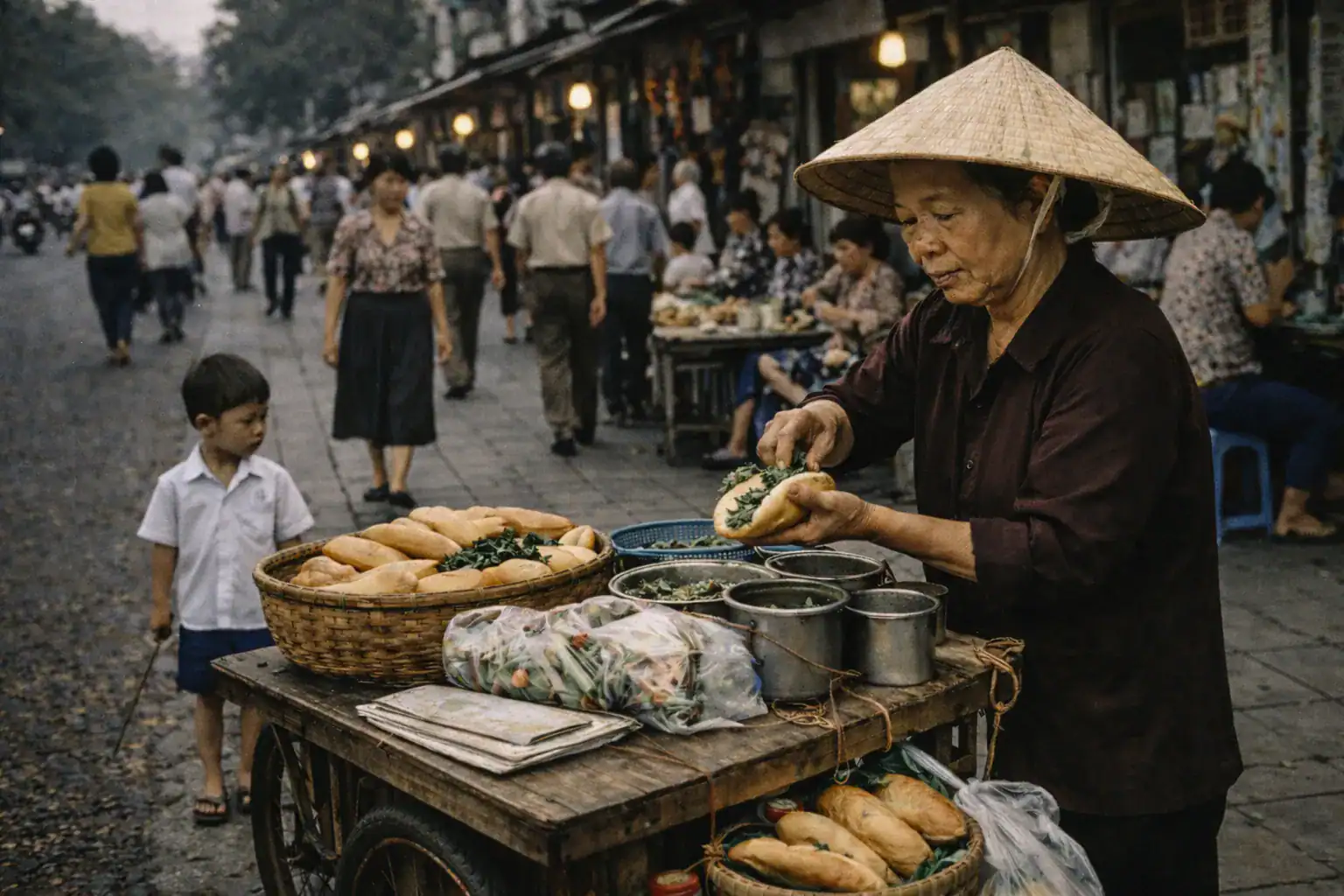
What is Bánh Mì
The bánh mì sandwich started on a wooden street cart in Sài Gòn. Here is what it is, where it came from, and why every element inside it exists for a reason.
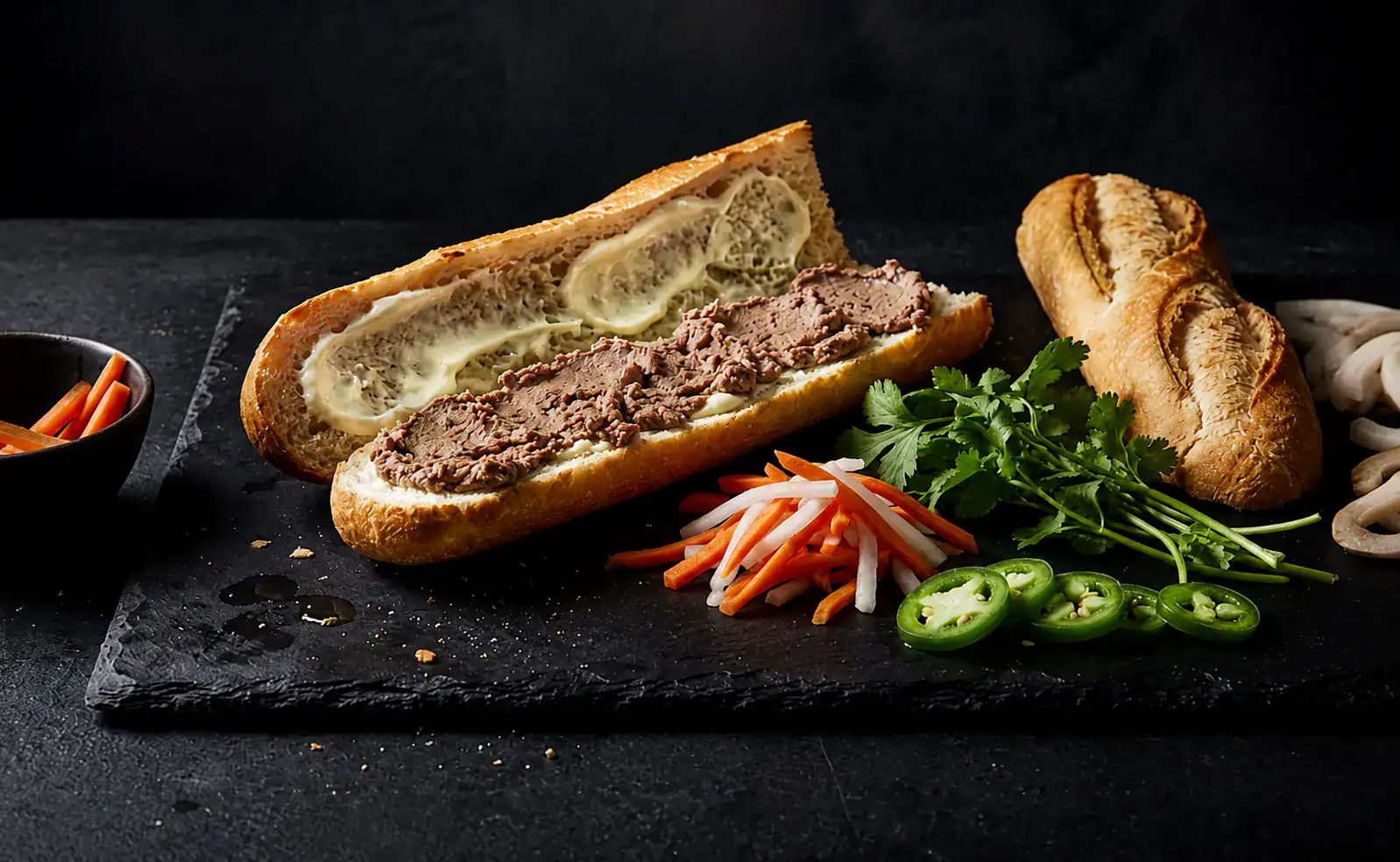
How to Make Bánh Mì
The five-element system explained from start to finish. The bread, the fat barrier, the protein, the acid, and the finish. Every component links to a full recipe.
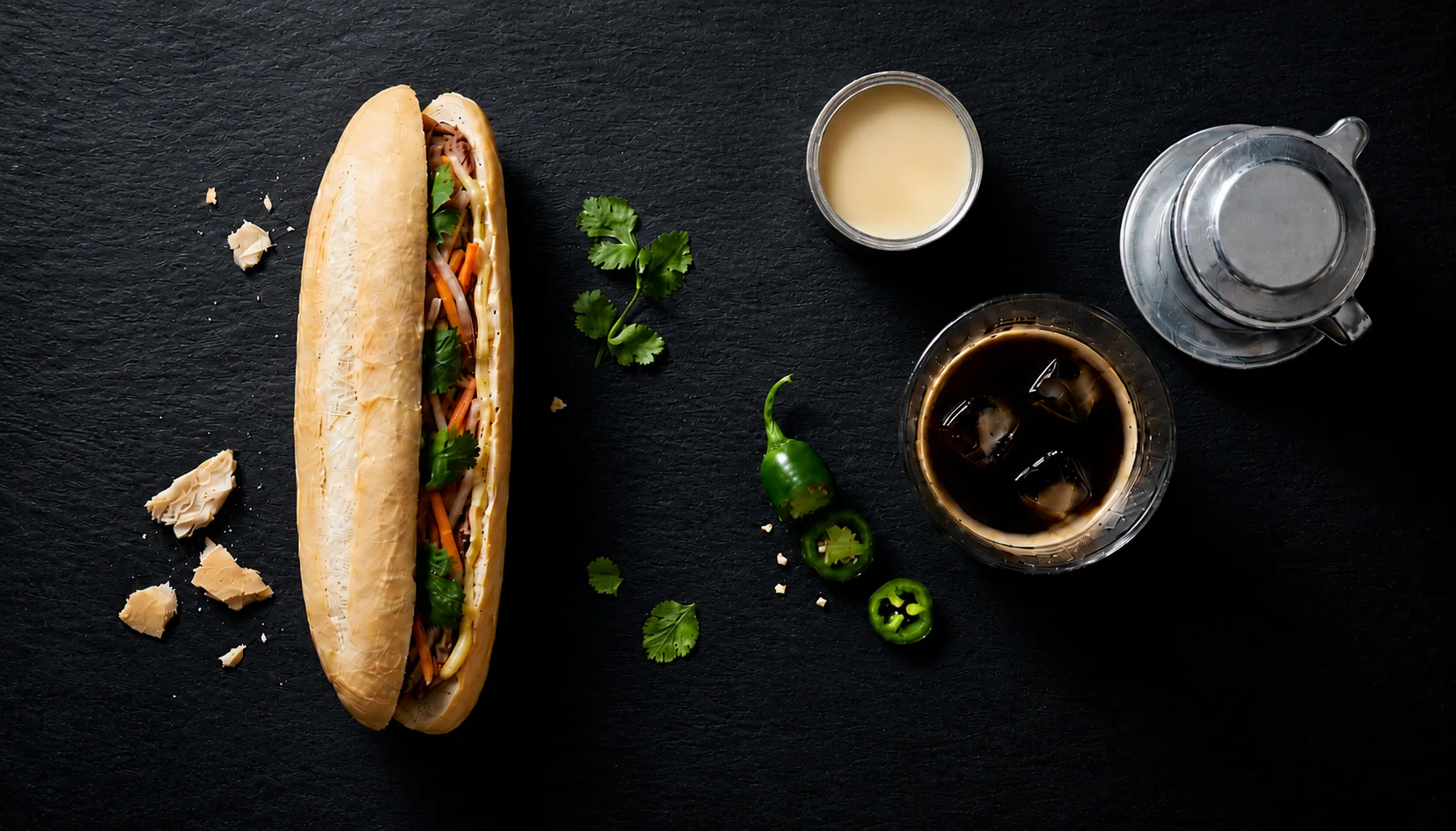
Bánh Mì and Vietnamese Iced Coffee: The Original Pairing
In Vietnam, this is not a pairing suggestion. It is just the default. Here is why cà phê sữa đá and bánh mì ended up on the same street cart, why they work together, and how to make the coffee correctly at home.
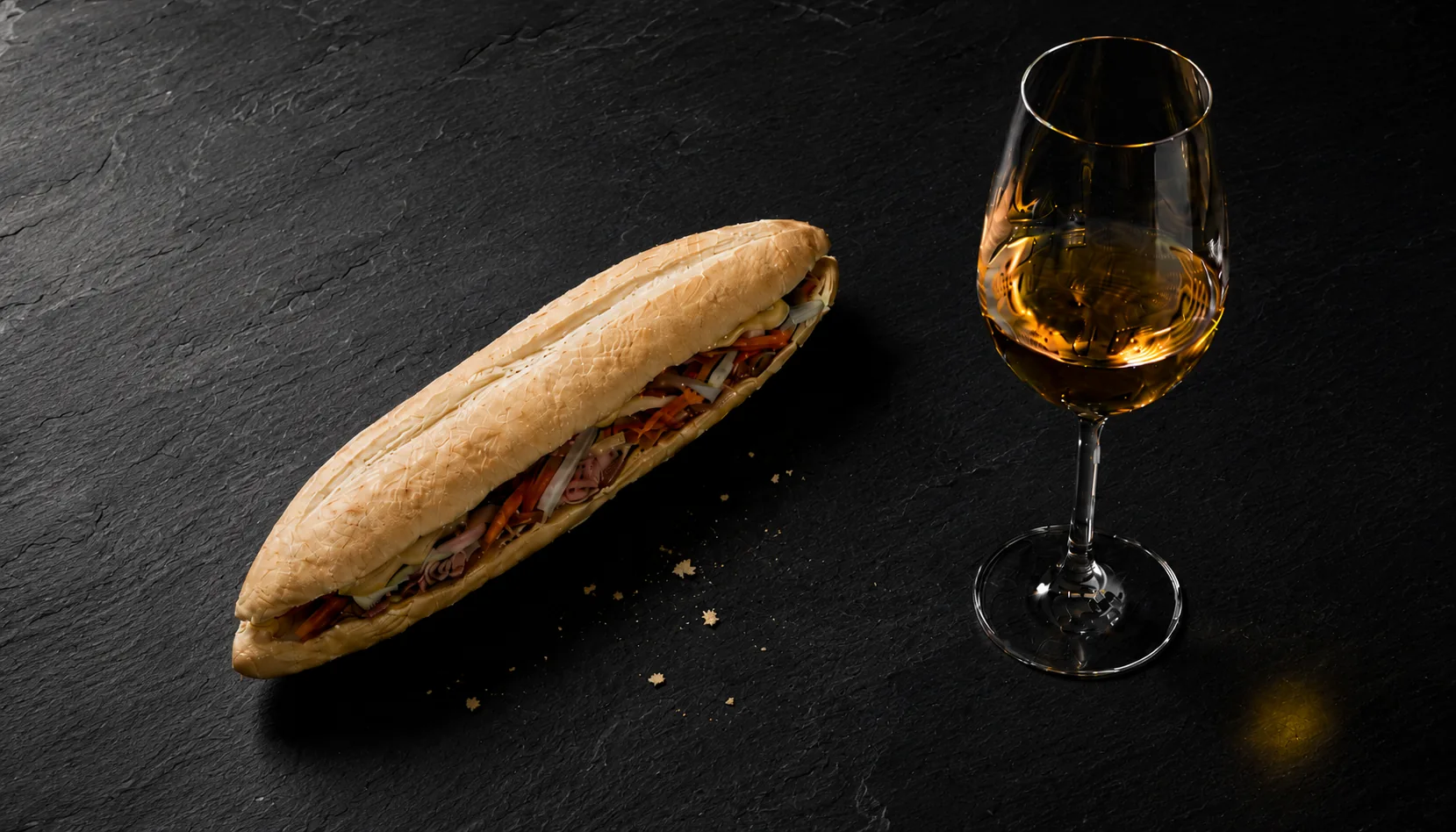
Bánh Mì and Wine: The Right Bottle Changes Everything
Not every bánh mì needs the same wine. The cold cut combination is a different problem than the grilled pork version, which is different again from the braised beef. Here is the specific wine for each filling, and the one rule that applies to all of them.
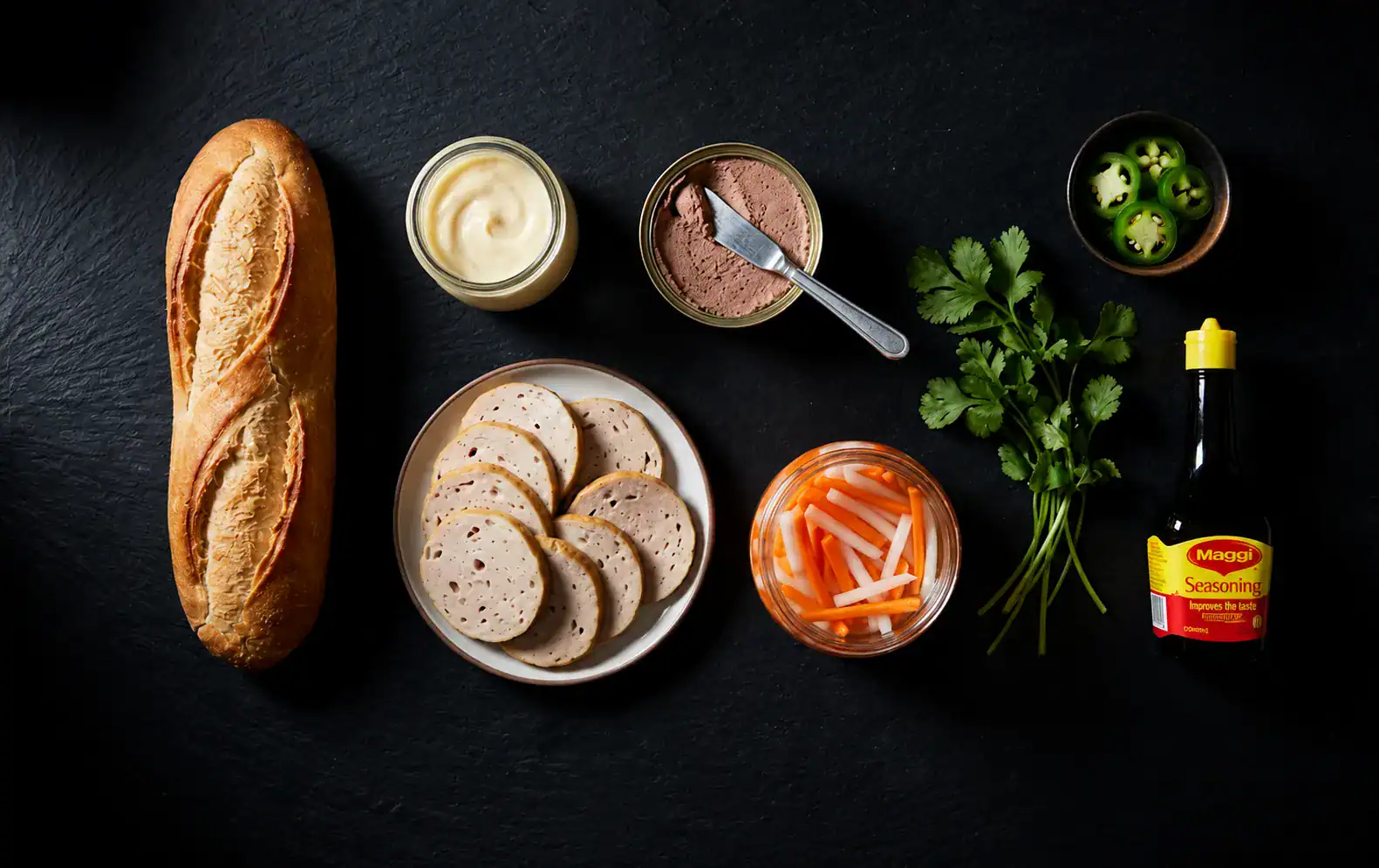
What Goes in a Bánh Mì
Every ingredient explained. What to buy, where to find it, what to avoid, and what to substitute. The complete sourcing guide for homemade bánh mì.
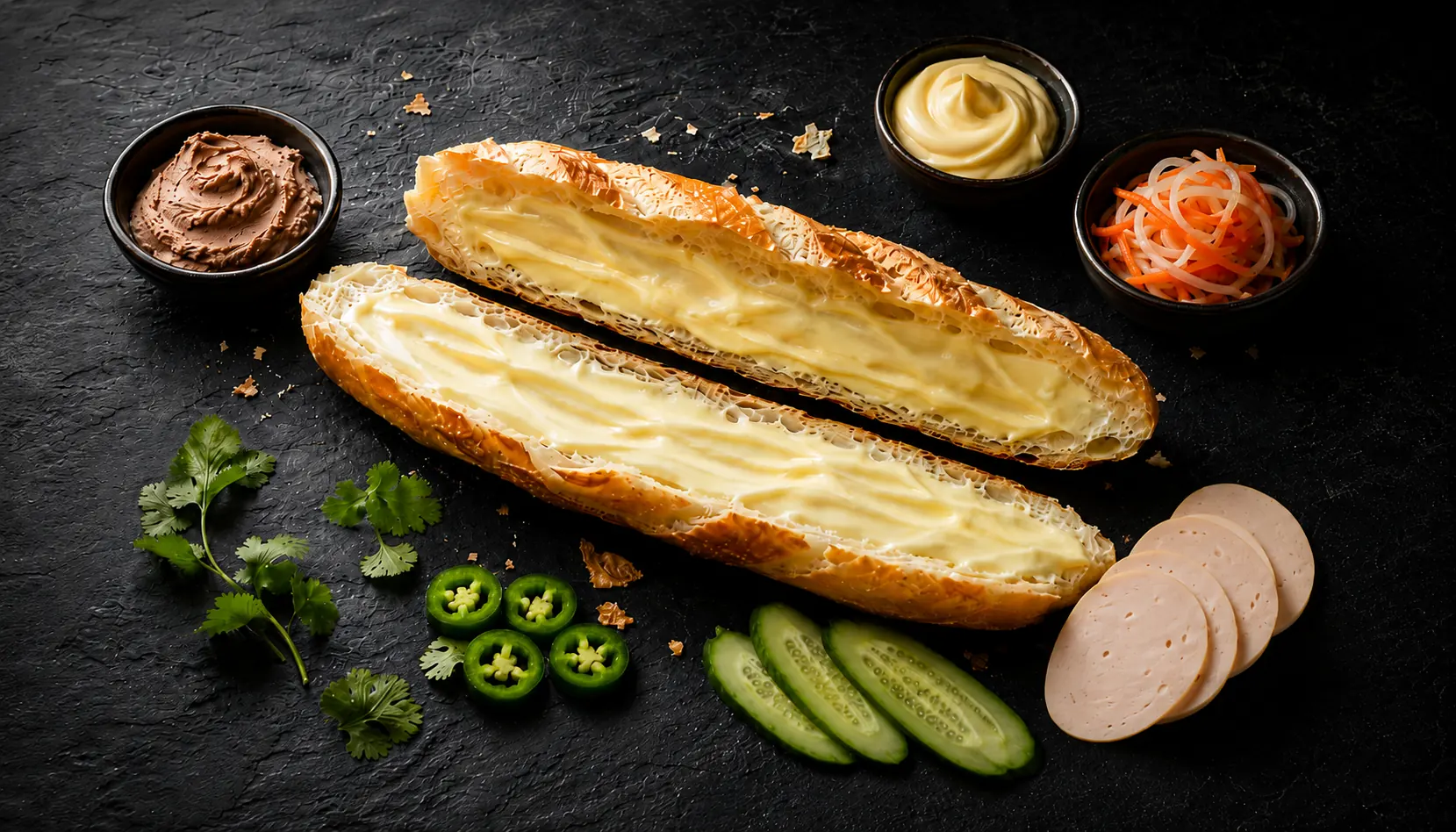
Is Bánh Mì Healthy?
A classic thịt nguội runs 520 to 600 calories with two cold cuts. Here is the full nutrition breakdown, the sodium question, and how to adjust it for your goals.
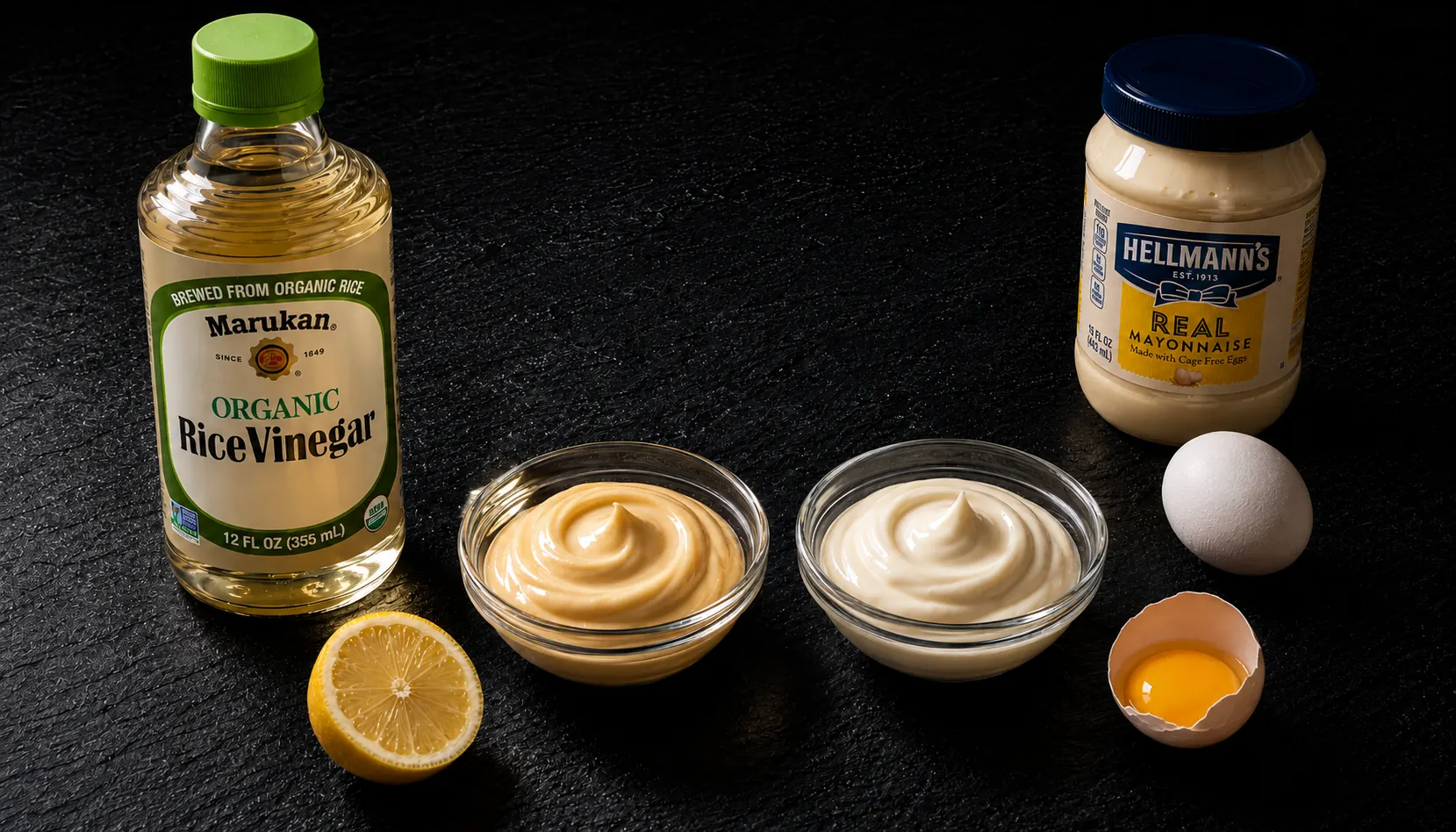
Vietnamese vs Regular Mayonnaise
Rice vinegar versus distilled vinegar. Whole egg versus additives. Here is exactly what separates Vietnamese mayonnaise from anything in a jar and why it matters for bánh mì.
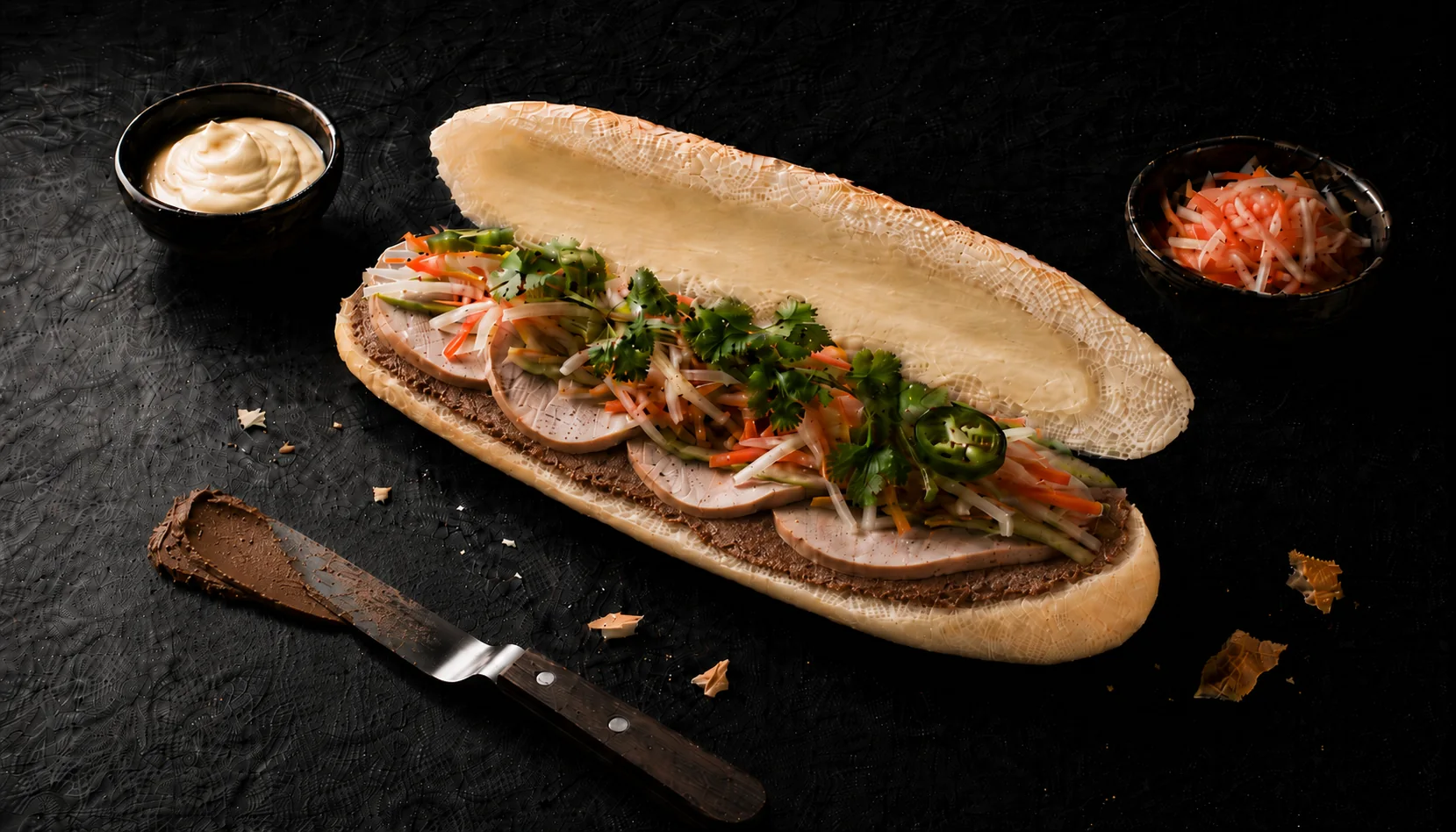
Is Bánh Mì Gluten Free?
Traditional bánh mì is not gluten free. The baguette contains wheat. Maggi and soy sauce also contain gluten. Here is exactly where it is and what is naturally safe.
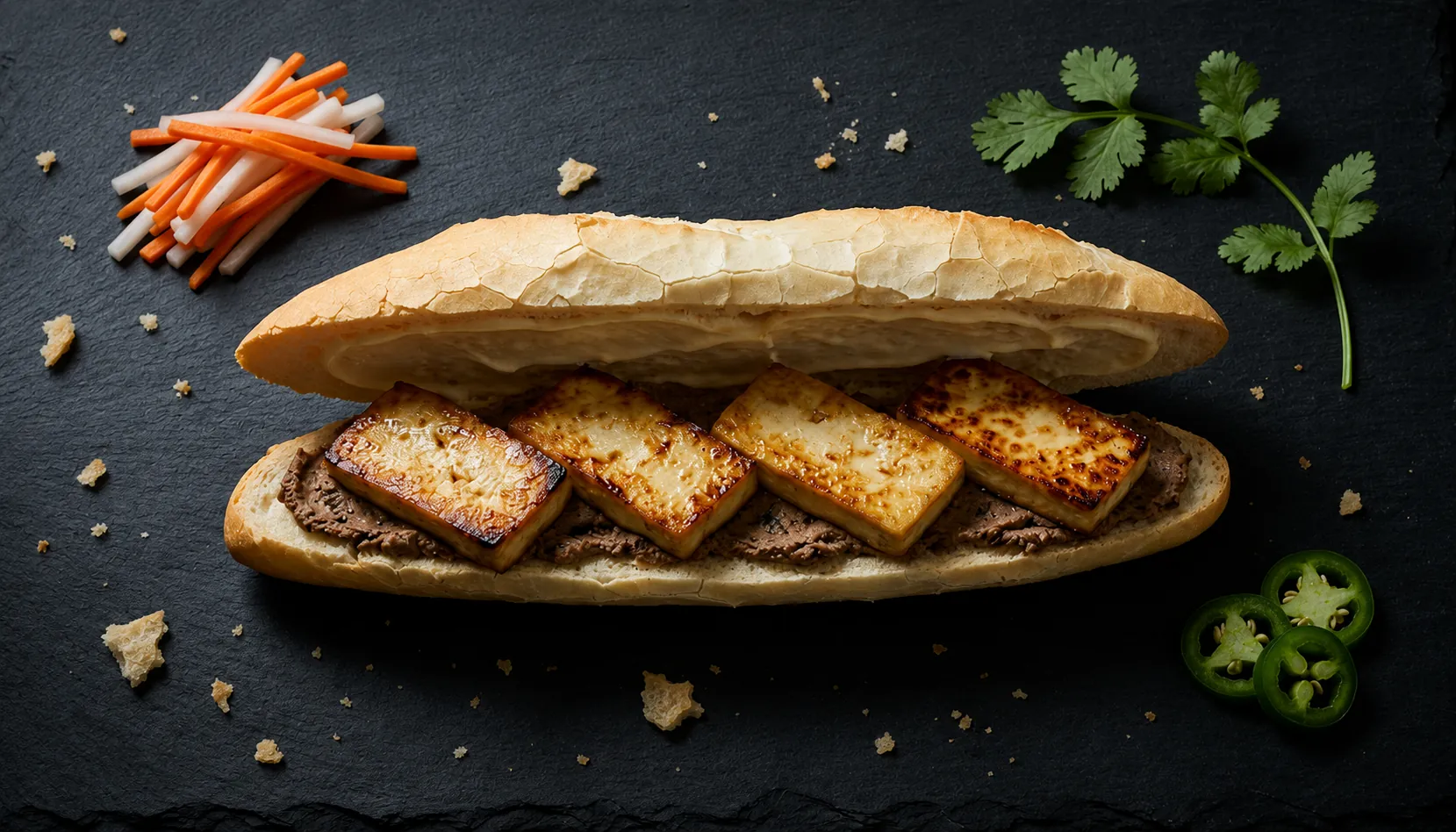
Is Bánh Mì Vegan?
A traditional bánh mì is not vegan. Here is exactly what contains animal products, the three swaps that make it fully plant-based, and the chay tradition behind it.
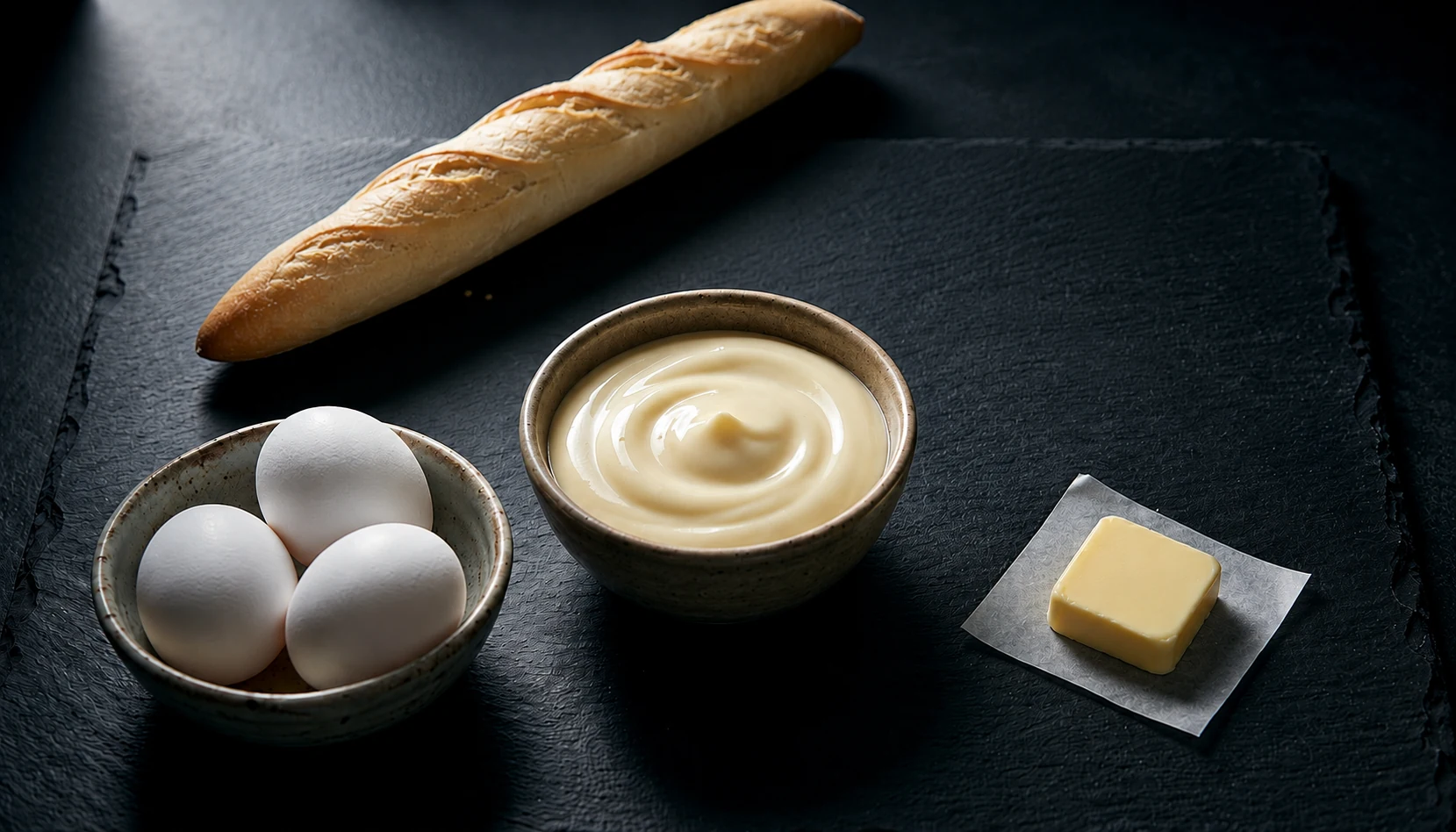
Is Bánh Mì Dairy-Free?
A traditional bánh mì made from scratch contains no dairy. Here is exactly what is in each component and the two places where dairy can quietly appear.
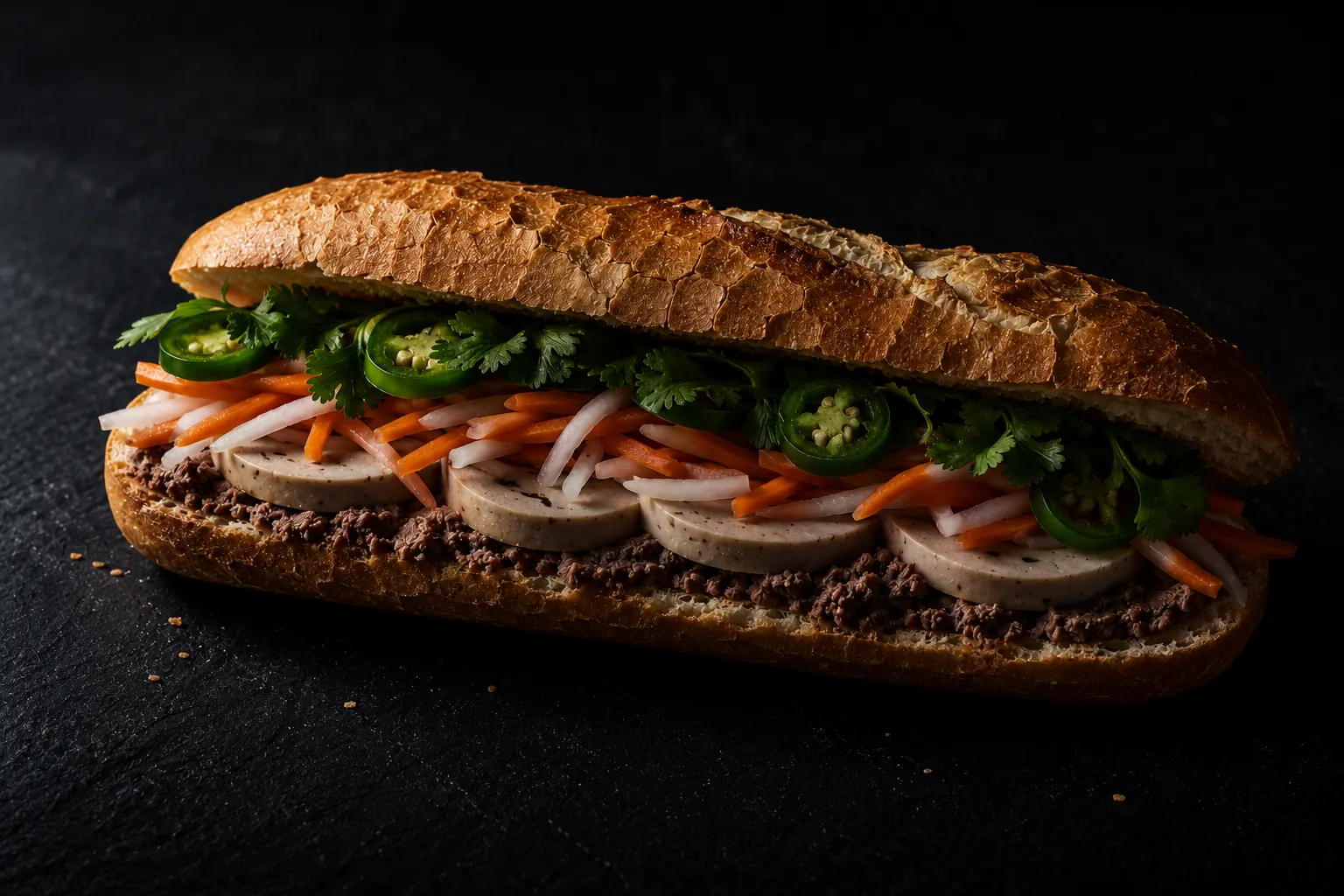
Why Is My Bánh Mì Soggy?
Four causes of a soggy bánh mì and exactly how to fix each one. The fat barrier, pickle drainage, assembly order, and the bread itself. All explained.
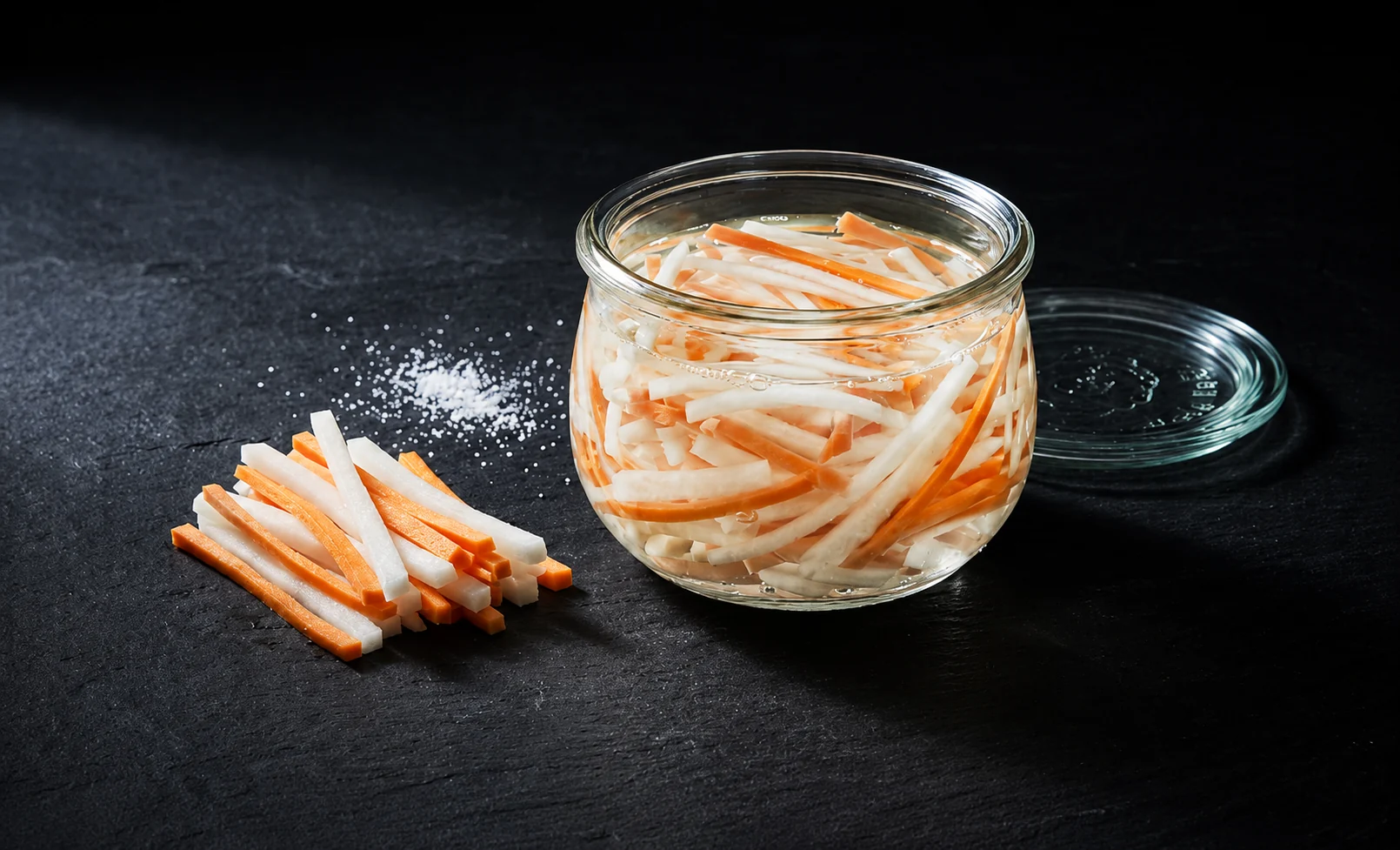
Why Did My Pickled Daikon Go Soft?
Hot brine, wrong cut, skipped pre-treatment, or too long in the brine. Here is exactly why đồ chua loses its crunch and how to fix each cause.
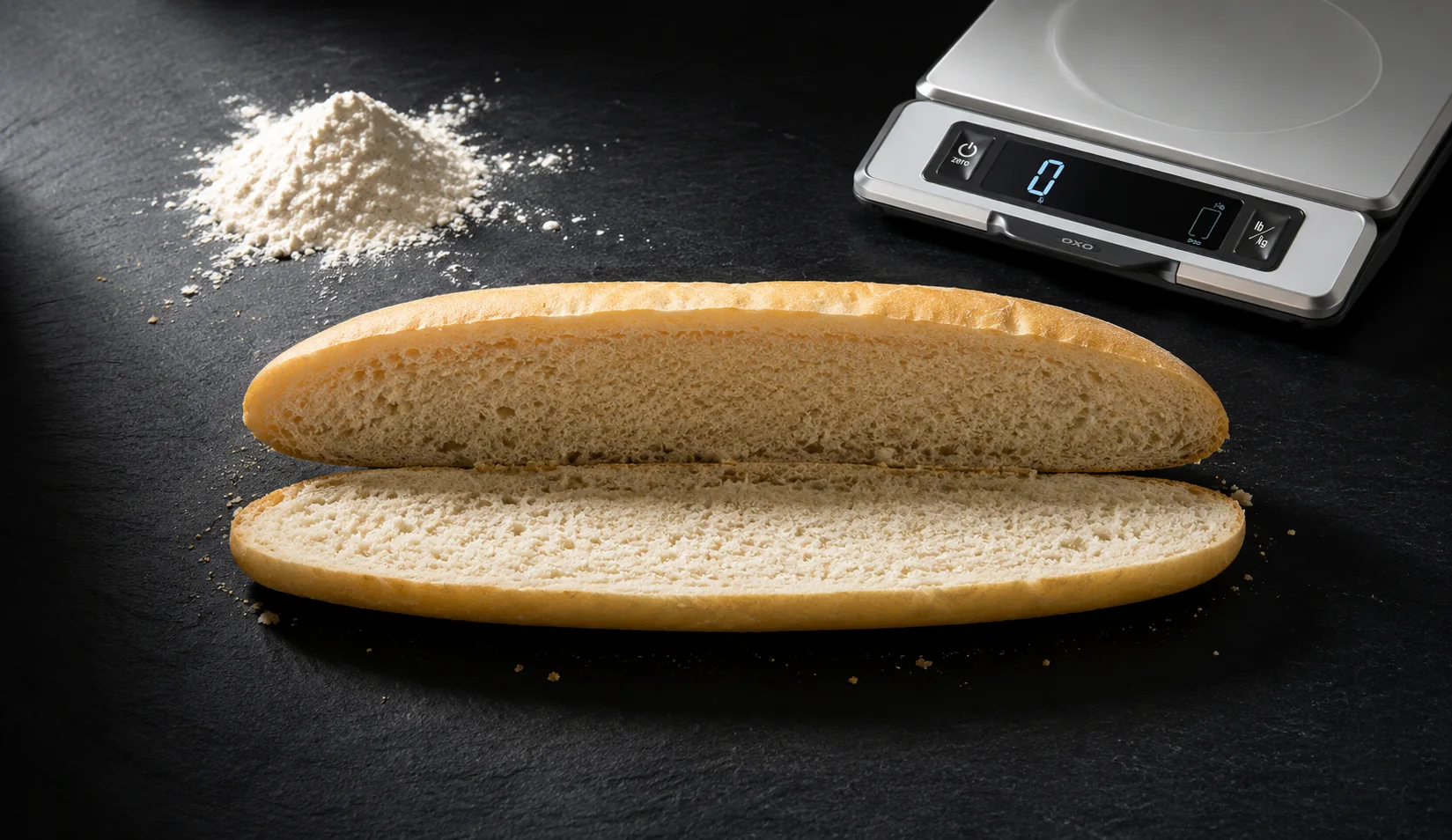
Why Is My Bánh Mì Bread Too Dense?
Five causes of dense bánh mì bread and exactly how to fix each one. Proofing, steam, flour, heat, and measuring. All explained.
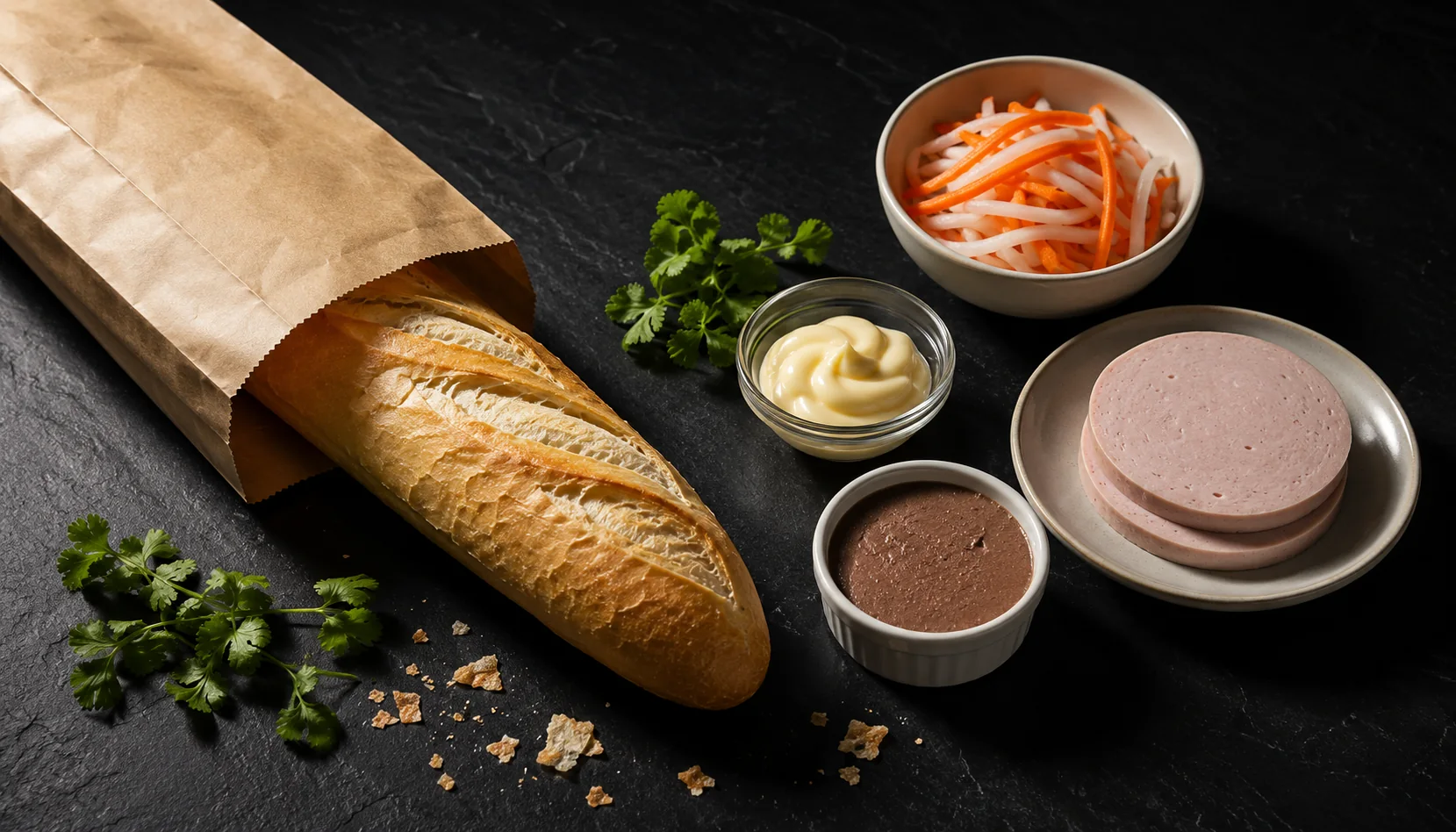
How to Store and Reheat Bánh Mì
The assembled sandwich lasts 20 to 30 minutes. Store the components separately, reheat the bread in an oven or air fryer, and assemble fresh.
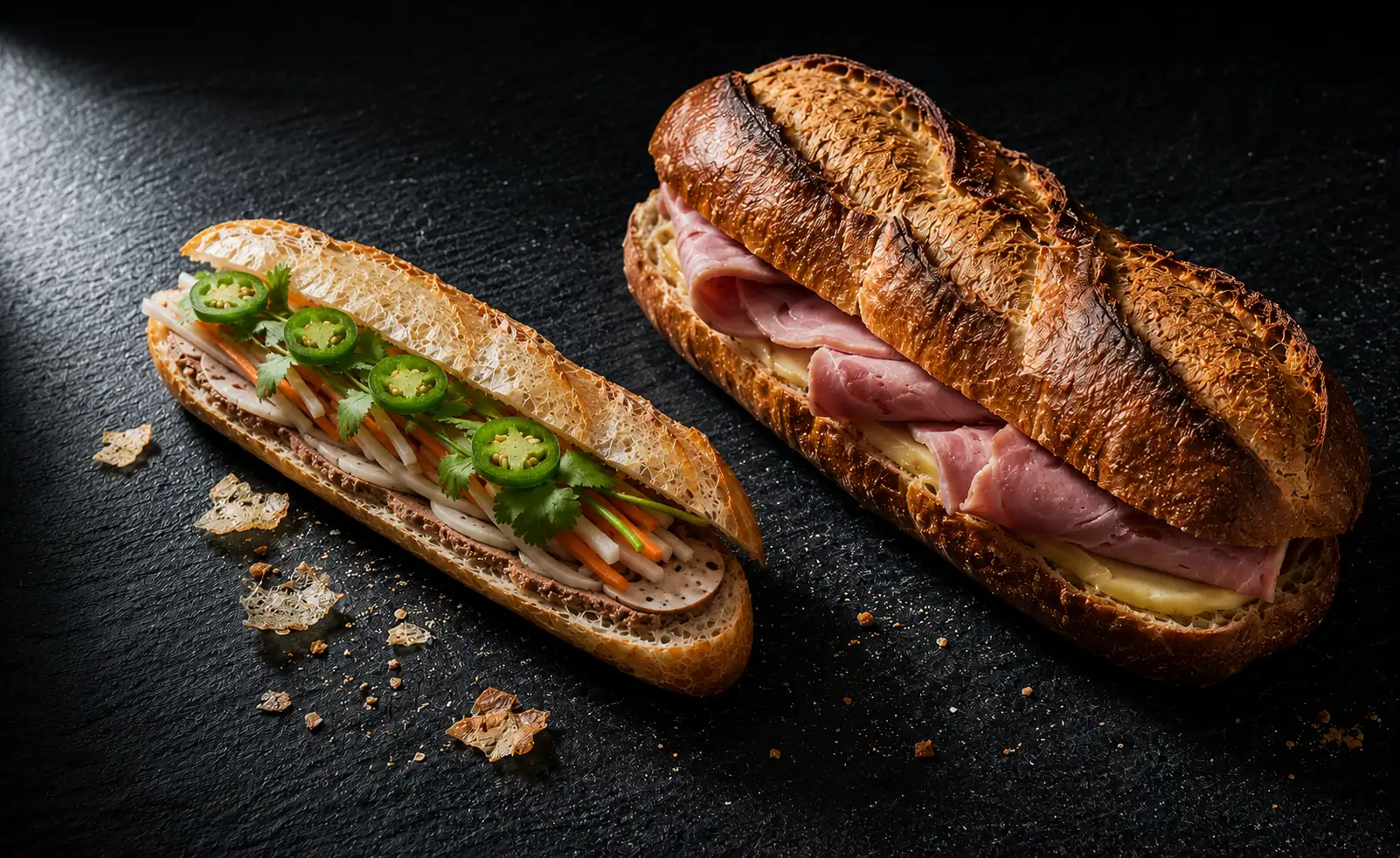
Bánh Mì vs French Baguette Sandwich
Same origin, completely different sandwich. A precise breakdown of the bread, the fillings, the fat barrier, and the history that separates them.
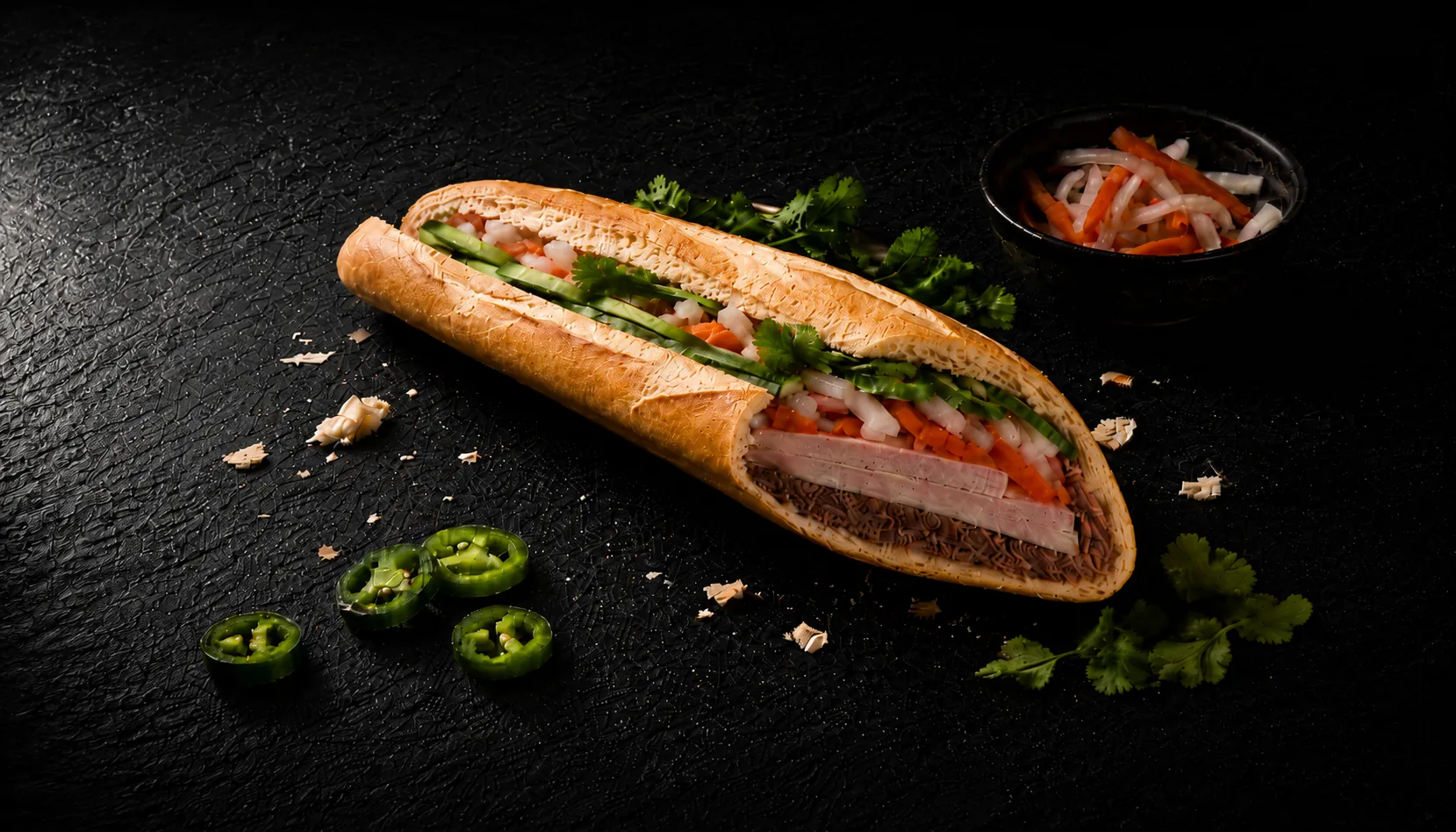
What Does Bánh Mì Mean?
Bánh mì means wheat bread. Here is where the name comes from, what each word means, and how to say it correctly.