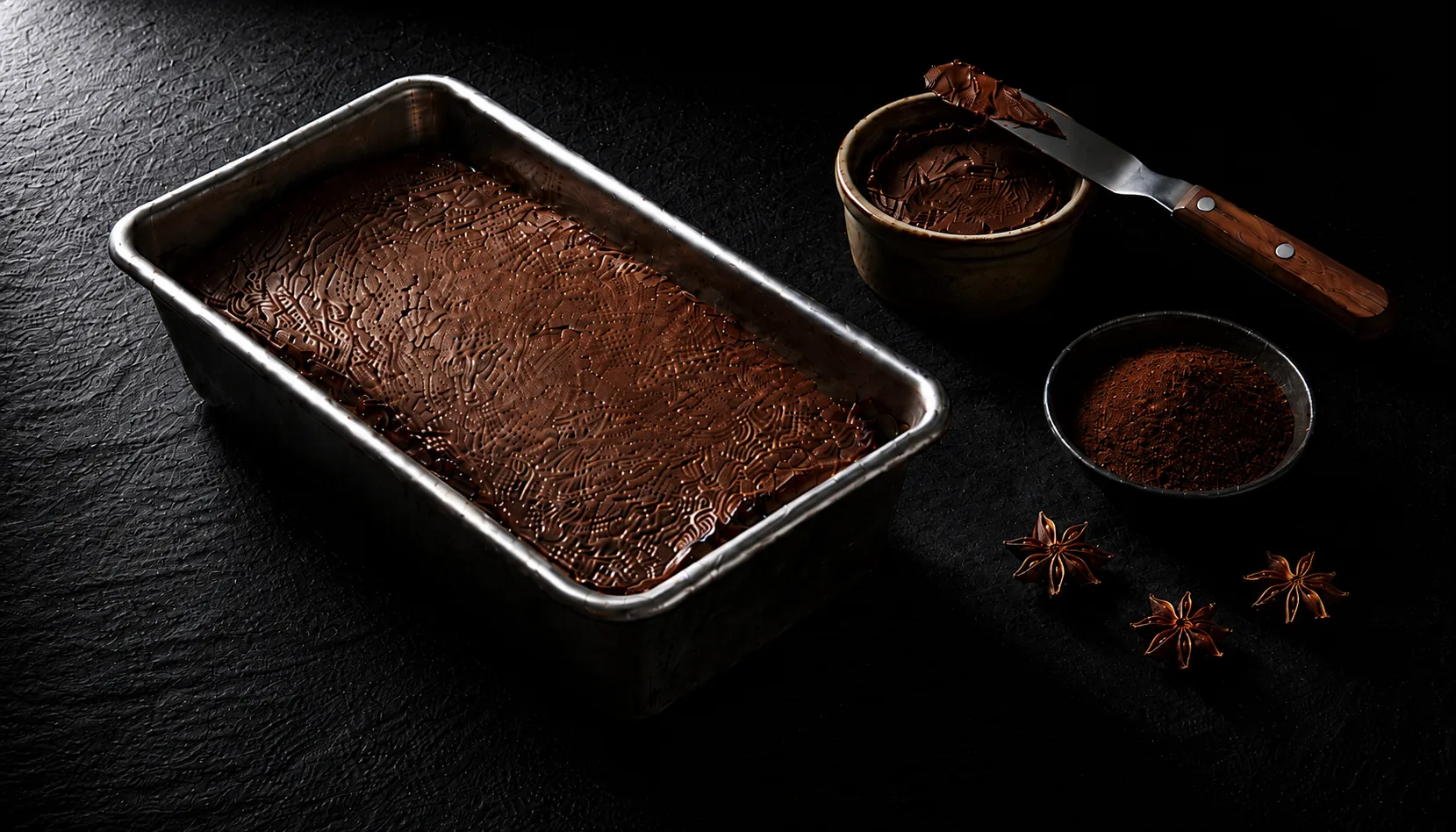
BEST LOAF PAN FOR BÁNH MÌ
A loaf pan is the tool that gives pork liver pâté and mushroom pâté their shape and structure. Both mixtures are liquid when they go into the oven. It is the pan that holds that liquid in a consistent rectangular shape while it bakes slowly in a water bath until it sets into a sliceable block.
The size of the pan is not a minor detail. A 1-pound loaf pan produces the correct thickness for the water bath method to work evenly. A pan that is too large spreads the mixture thin and overcooks the edges before the center sets. A pan that is too small forces the mixture too deep, which means the center stays underdone while the edges firm up.
This page covers the three best loaf pans for bánh mì at every price point, why pan size matters more than most home cooks expect, and exactly what to look for when buying.
[ WHY THE LOAF PAN MATTERS FOR BÁNH MÌ SPECIFICALLY ]
Pork liver pâté and mushroom pâté are both baked using a water bath, also called a bain-marie. The loaf pan sits inside a larger baking dish filled with hot water, which buffers the heat and lets the mixture cook gently and evenly rather than drying out under direct oven heat. The size and material of the loaf pan determine how that heat reaches the mixture.
A 1-pound loaf pan, roughly 8 by 4 inches, is the correct size for both pâté recipes on this site. That size produces a block thick enough to slice cleanly but thin enough that the water bath heats the center evenly within the standard bake time. A larger pan spreads the same amount of mixture thinner, which means it cooks faster at the edges and risks drying out before the center sets. A smaller pan concentrates the mixture deeper, which means the center takes longer to reach temperature and the edges can overcook while waiting.
Material matters because it affects how evenly heat transfers from the water bath into the pâté. Aluminized steel conducts heat quickly and evenly across the full surface of the pan, which means every part of the mixture receives the same gentle heat at the same rate. A pan with poor heat distribution produces a pâté that sets unevenly, firm in some areas and underdone in others.
The straight sides of a loaf pan also matter for turning the pâté out cleanly once it has set. A pan with sloped or curved sides makes it harder to release the pâté in one solid block without it breaking apart.
[ THE RECOMMENDATION ]
The USA Pan Nonstick Standard Bread Loaf Pan is the correct pan for this job. The aluminized steel construction distributes heat evenly across the full surface, which means the pâté sets at a consistent rate from edge to center during the water bath. The corrugated surface design promotes air circulation and prevents warping over repeated use at high oven temperatures.
The nonstick coating releases the set pâté cleanly without sticking to the corners, which matters when you need the block to come out in one piece for slicing. The straight sides hold their shape through the water bath process, which keeps the pâté’s final shape consistent batch after batch.
It is the loaf pan that does exactly what bánh mì pâté requires, built to a standard that holds up to regular use.
[ THE THREE OPTIONS ]
[ BEST OVERALL ] USA Pan Nonstick Standard Bread Loaf Pan — around $19. The recommendation above. Aluminized steel, corrugated surface, nonstick coating, straight sides. The correct pan for anyone making pâté regularly.
[ ALTERNATIVE ] Nordic Ware Naturals Loaf Pan — around $13. Natural aluminum with no nonstick coating, which means it can be used at higher temperatures without concern about coating breakdown. The bare aluminum surface develops a natural patina over time that some bakers prefer for consistent release. The honest weakness is release: without a nonstick coating, the pâté needs a light grease before baking to release cleanly, which adds a small extra step every time.
[ BUDGET ] GoodCook Nonstick Loaf Pan — around $8. A nonstick steel loaf pan at an entry-level price. The honest weakness is heat distribution: the lighter gauge steel does not conduct heat as evenly as the USA Pan, which can produce slightly uneven setting at the edges versus the center. For occasional pâté making it performs the job adequately.
[ THE SCIENCE ]
A water bath works by surrounding the loaf pan with water that never exceeds 212°F, the boiling point. That ceiling protects the pâté from the direct, much higher heat of the oven air, which can reach 320°F or higher. Without the water bath, the proteins in the pâté would denature too fast at the edges while the center remains liquid, producing a texture that is rubbery on the outside and undercooked in the middle. The water bath slows that process down so the proteins set gradually and evenly throughout, which is what produces the smooth, sliceable texture that distinguishes a properly baked pâté from one cooked too fast.
[ THE FAQ ]
Body text: Can I use a different size loaf pan for bánh mì pâté? A 1-pound pan, roughly 8 by 4 inches, is the correct size for both pâté recipes on this site. A larger pan spreads the mixture thinner and risks overcooking the edges before the center sets. A smaller pan concentrates the mixture deeper and risks the opposite problem.
Does the loaf pan need to be nonstick? Not strictly, but it makes turning the pâté out considerably easier. A pan without nonstick coating works but requires greasing before adding the mixture to ensure a clean release.
Can I use a glass or ceramic loaf pan instead of metal? Glass and ceramic conduct heat more slowly and less evenly than aluminized steel, which can extend the bake time and produce less consistent results in a water bath. Metal is the correct material for this specific technique.
How do I know when the pâté is done? The internal temperature should reach 158°F and the center should be set but still slightly wobbly when the pan is gently shaken. It firms up further as it cools and chills.
Can I use the same loaf pan for baking bread? Yes. A 1-pound loaf pan works for small bread loaves as well as pâté. The same heat distribution properties that benefit pâté also benefit bread.
[ WHAT TO READ NEXT ]
The Pork Liver Pâté recipe is the primary recipe this pan was built for. That is where the pan size and material determine whether the pâté sets evenly or unevenly.
For the vegetarian alternative that uses the same pan and the same water bath technique, see the Mushroom Pâté recipe, where texture control matters just as much as the bake.
For the tool that creates the smooth texture before either pâté goes into this pan, see the Food Processor guide, where bowl capacity and pulse control matter as much as the bake itself.
For the complete breakdown of every tool a serious bánh mì kitchen requires, see The Equipment page.