Most recipes use high-protein bread flour and sugar to simulate a crust. We don’t. This is the technical procedure for achieving a true Glass Crust using 8% protein flour and controlled steam injection.
| VARIABLE | FRENCH STANDARD | COMMON HOME RECIPE | INDOCHINE MODERN |
|---|---|---|---|
| Crust Type | Thick & Durable | Soft / Leathery | Ultra-Thin Shatter |
| Crumb Density | Tight & Elastic | Cake-like / Dense | Weightless / Airy |
| Key Ingredient | 11.5% Protein Flour | 12.7% Bread Flour + Sugar | 8.5% Low-Protein Flour |
| Steam Method | Passive / Ambient | Water Pan / Spritz | 100% Saturation |
| Target Outcome | Chew & Structure | Simulated Color | Vitrified Glass |
Traditional standards favor the ‘chew’ of high-protein wheat. We reject this. The Indochine standard requires a weightless crumb protected by a crust that shatters on impact.
01 — required hardware
The Oven: Anova Precision Oven (The minimum viable tool for controlled steam).
The Surface: Baking Steel or heavy-duty stone.
The Scale: Precision digital scale (0.1g increments).
| COMPONENT | SPECIFICATION |
|---|---|
| Flour | 8.5% Protein (Unbleached All-Purpose) |
| Hydration | 68% (Ambient humidity adjusted) |
| Leavening | Fresh compressed yeast or Active Dry |
| Salt | Fine sea salt (Additive-free) |
02 — PRE-FERMENT & AUTOLYSE
Hydrate the 8.5% protein flour for 45 minutes prior to the introduction of leavening agents. This mechanical rest allows for full starch saturation and enzymatic activity, which is the foundational requirement for the glass-like vitrification of the crust.
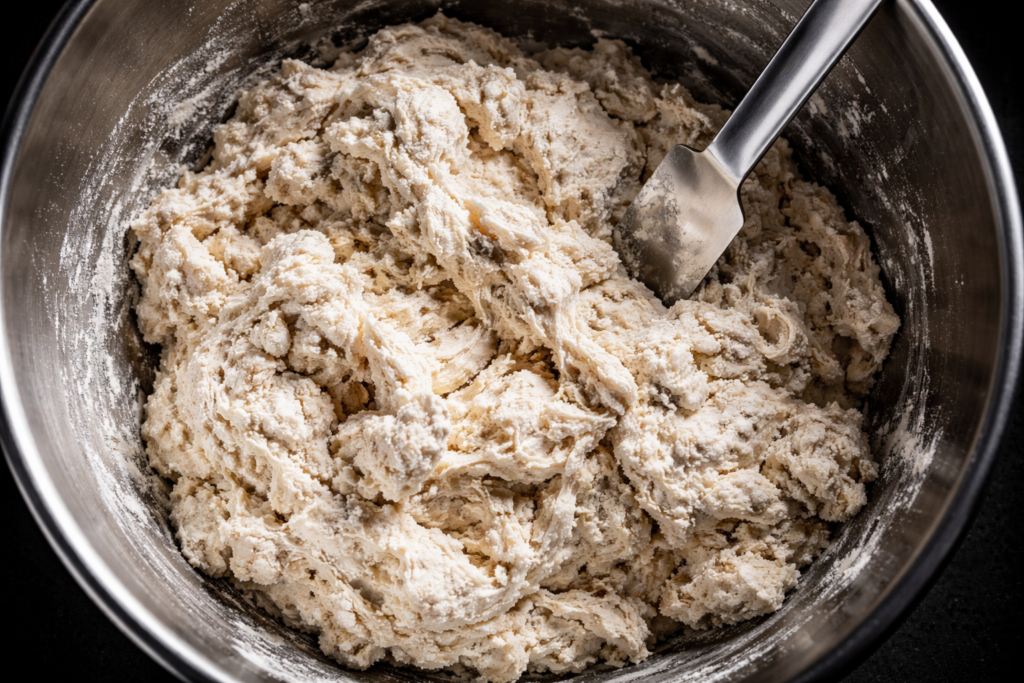
FIG 05.A: INITIAL STARCH SATURATION STATE PRIOR TO LEAVENING.
03 — BULK FERMENTATION
Introduce the leavening agent and salt. Ferment at a controlled ambient temperature of 24°C (75°F). Perform three “stretch and folds” at 30-minute intervals. We are looking for gas retention and extensibility, not just volume.
04 — SHAPING & FINAL PROOF
Divide and pre-shape into tight boules. Rest for 20 minutes. Final shape into 12-inch batards. Place in a floured couche, seam-side up. Proof for 45 to 60 minutes until the dough passes the “finger-dent” test with a slow, partial spring-back.
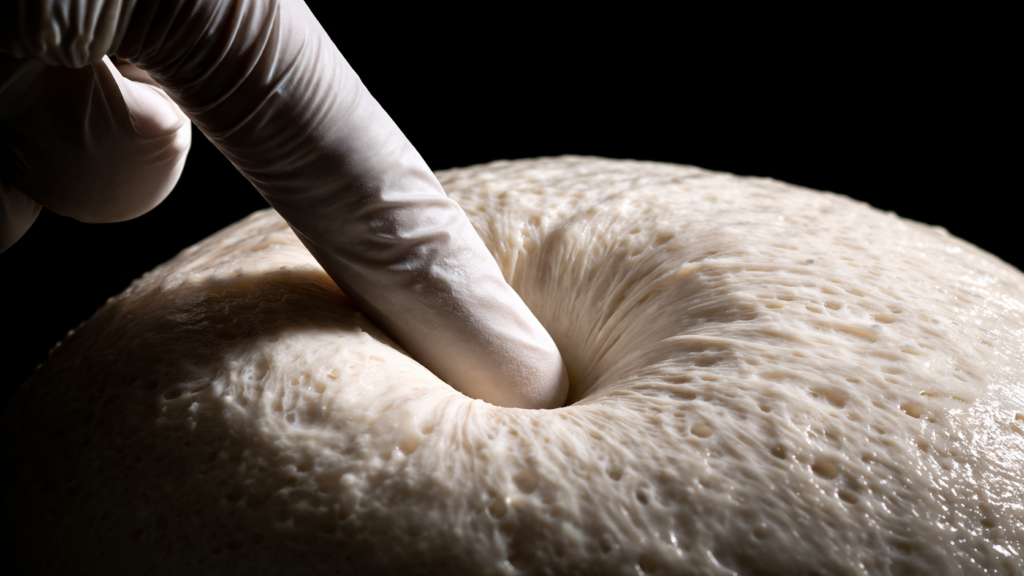
FIG 06.B: TERMINAL PROOF STATE; 50% ELASTIC RECOVERY OBSERVED.
diagnostic note: if the indentation snaps back immediately, the gluten structure is under-fermented. if it collapses or remains static, it is over-proofed. we are seeking the equilibrium shown above.
05 — THE BAKE & STEAM CYCLE
Preheat the oven to 250°C (480°F) with the Baking Steel inside. Score the batards. Bake for 10 minutes at 100% steam, then vent and reduce to 220°C (430°F) for 8 minutes.
“Vitrification occurs in the final 4 minutes of the bake. Do not pull the bread early. Color is the only indicator of structural success.”
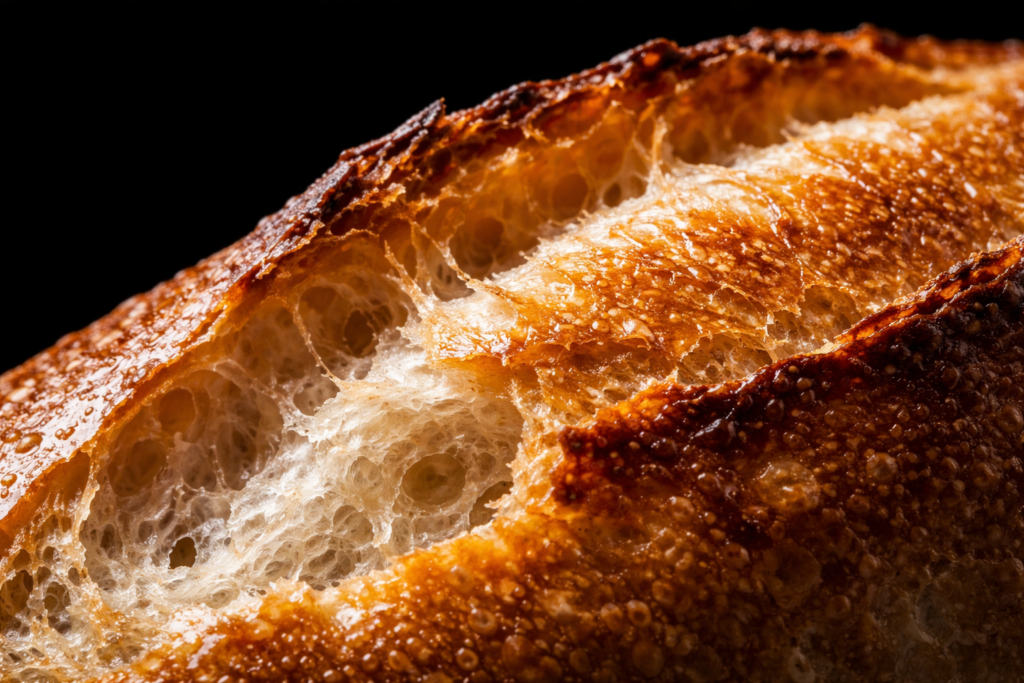
FIG 07.C: FINAL VITRIFICATION STATE; OBSERVED BRITTLE FRACTURE AT TERMINAL COOLING.